

Global Nitrogen Pollution Research Hosted in Germany
From atmospheric pollution to the chemistry of life itself, Angélica L. González studies how human activity reshapes natural systems at a global scale. As Director of the Biology MS program at Rutgers University-Camden, she brings that perspective directly into graduate education. Her latest study appears in the December 9 issue of Nature Communications.
The article, Nitrogen deposition reveals global patterns in plant and animal stoichiometry, examines how environmental factors, particularly human-caused nitrogen pollution, influence the elemental composition of plants and animals worldwide. The research draws on thousands of measurements collected across ecosystems and was conducted by an international working group hosted and funded by the German Centre for Integrative Biodiversity Research.
The findings show that atmospheric nitrogen deposition is the most consistent global predictor of elemental composition, especially in plants, while temperature and sunlight play more variable roles.
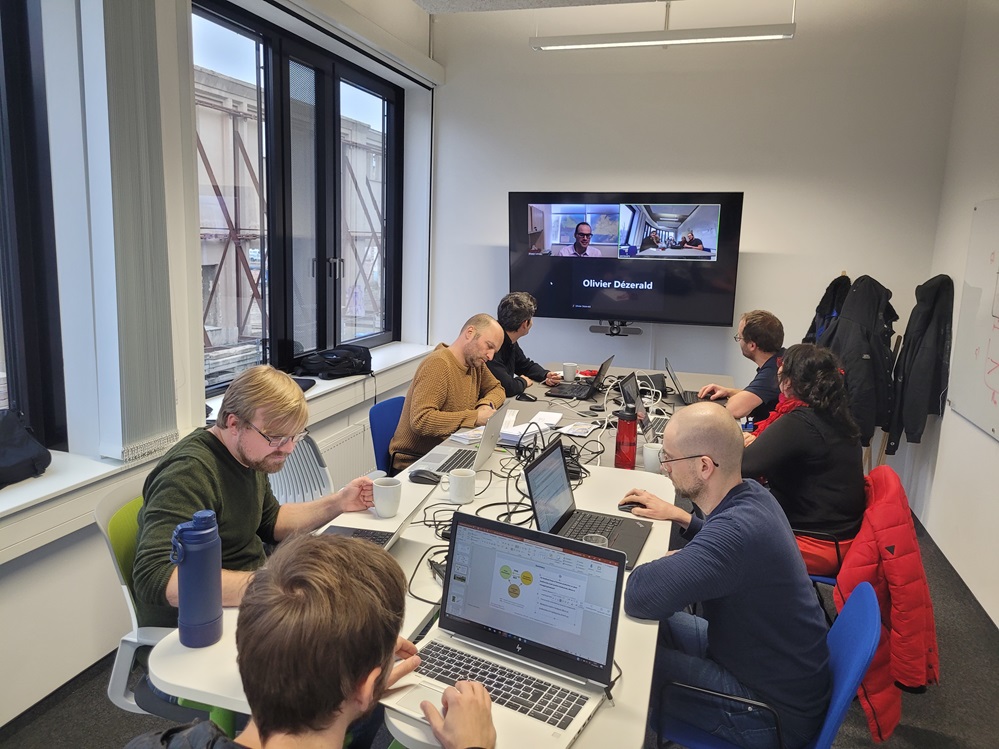
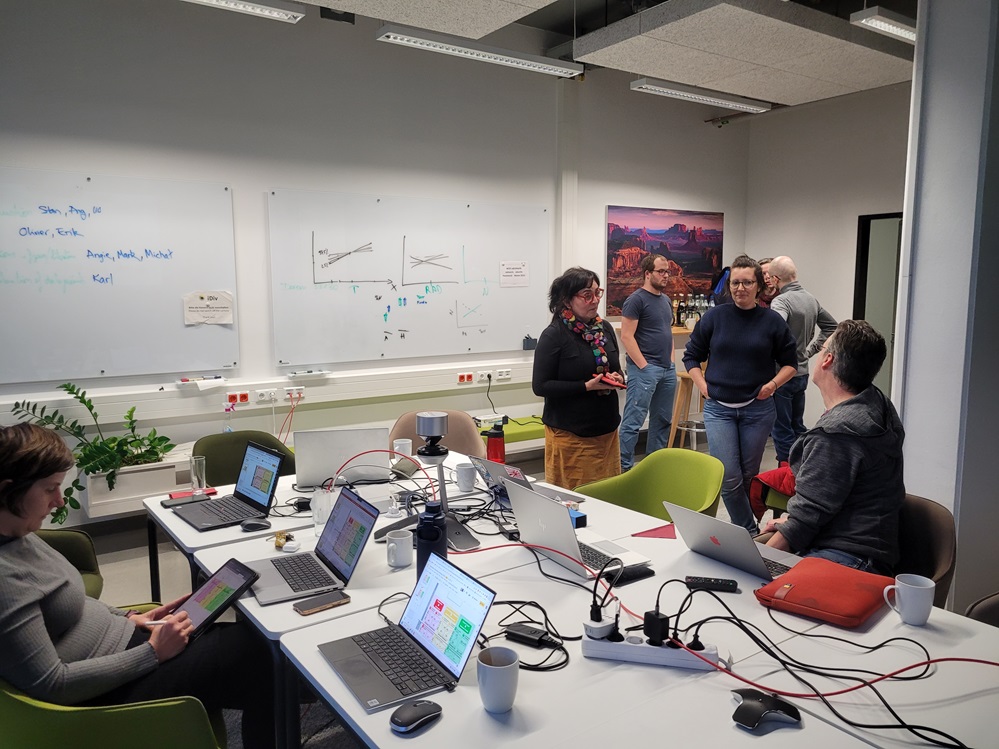
Dr. González’s research demonstrates the impact of international scientific collaboration on addressing complex environmental challenges. Her work advances understanding of how human activity reshapes natural systems and helps inform future responses.
Sandra Richtermeyer, Provost and Executive Vice Chancellor for Academic Affairs
González’s work reflects the kind of globally engaged, data-driven research that shapes both scientific understanding and graduate training in the Biology MS program.
Mentioned in this Story:
Join a Legacy of Excellence in Biological Research
The Master of Science in Biology program at Rutgers University–Camden offers an immersive experience in diverse biological fields, including cell and molecular biology, neuroscience, physiology, and ecology. With a 50-year legacy, the program emphasizes research, analytical, and communication skills, preparing graduates for Ph.D. programs or careers in academic research and teaching. Students benefit from state-of-the-art facilities in the Science and Joint Health Science buildings and engage with internationally recognized faculty whose research spans RNA evolution, mitochondrial energetics, bacterial shape dynamics, and more.
Bridging Disciplines: The Center for Computational and Integrative Biology
The Center for Computational and Integrative Biology (CCIB) at Rutgers–Camden combines experimental and computational methods to address complex biological questions. CCIB offers graduate programs leading to M.S. and Ph.D. degrees, emphasizing a holistic understanding of biological systems from molecular to population levels. The curriculum equips students like Basirat with the skills to conduct innovative research at the intersection of biology, chemistry, computer science, mathematics, and physics.
Spotlights & Stories
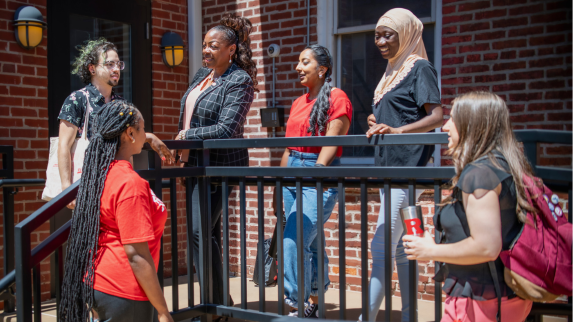
Want more stories like this? Spotlights and Stories highlights alumni, faculty, staff, and student experiences through stories, video, and voice. Learn more
Explore Graduate School Programs
Rutgers Graduate School-Camden offers 20+ graduate certificates, master’s, and doctoral programs across various disciplines, including biology, data science, creative writing, and psychology. We take pride in our academic diversity. Learn more
Former Students, Get Involved

Stay connected with Rutgers-Camden! Engage with former students, attend events, and support current students. Your involvement strengthens our community and helps shape future success. Learn more